Summary
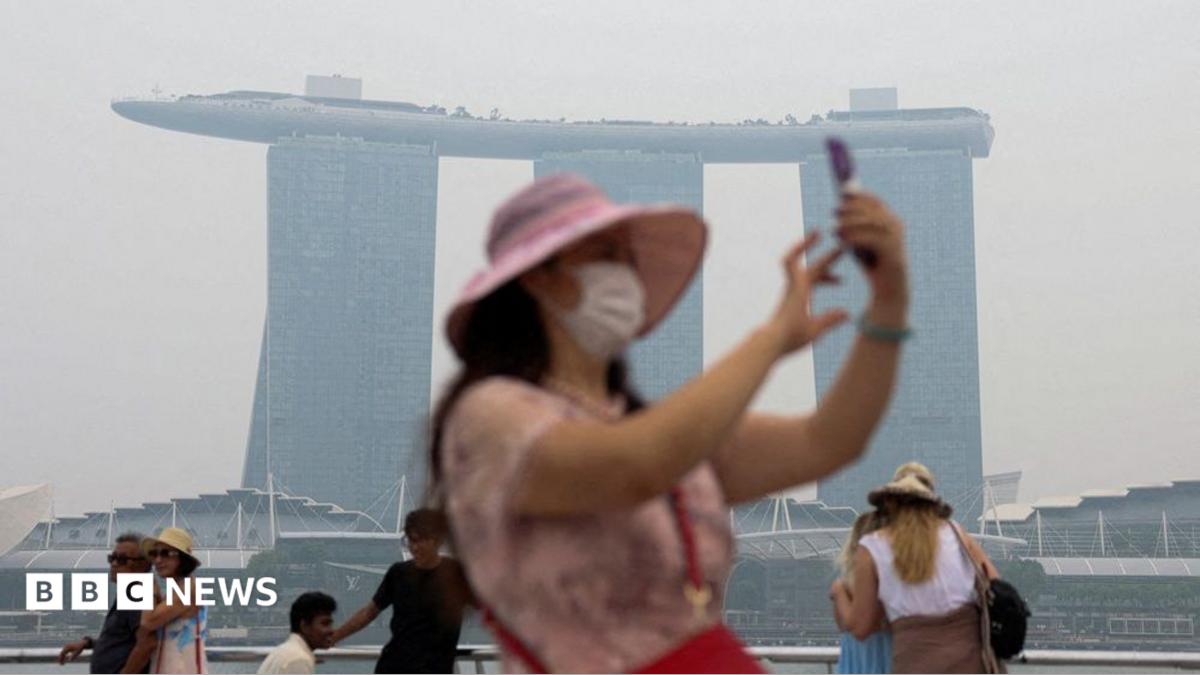
The ongoing haze crisis originating from Indonesia is creating significant diplomatic challenges for its neighboring countries, particularly Singapore and Malaysia. As citizens voice their concerns over health implications, governments find themselves caught between public anxiety and the complexities of regional relations.
Key Details
The haze, primarily caused by land-clearing fires in Indonesia, has triggered severe air quality issues in both Singapore and Malaysia. Residents are reporting health problems, leading to increased pressure on local governments to take action. In response, Singapore and Malaysia have expressed their frustrations over Indonesia’s handling of the situation, which has led to a diplomatic tug-of-war.
- The air quality index in Singapore has reached alarming levels, prompting health advisories.
- Malaysian officials are demanding more stringent measures from Indonesia to prevent future occurrences.
- Public protests have emerged in both countries, urging their governments to take a firmer stance against Indonesia.
Why It Matters
The haze situation is not just an environmental issue; it has far-reaching implications for regional cooperation and stability. The health risks posed by the toxic air are a direct threat to citizens, affecting daily life and well-being. Additionally, the diplomatic relations between these Southeast Asian nations could be strained further if a resolution is not reached, potentially impacting future collaborations on various issues.
What Could Happen Next
As the situation develops, we may see a push for more robust international agreements to address transboundary pollution. Singapore and Malaysia could implement stricter regulations on imports from Indonesia, putting economic pressure on Jakarta. Additionally, Indonesia may face increased scrutiny from regional organizations, prompting them to take more decisive action to curb the fires and mitigate future crises.